
- Home
- Services
- Graphic Design & Branding
- Magazine Ads
Magazine Ads
Magazine Ads
Magazine ads are paid promotional placements inside print or digital publications that combine imagery, headlines, and copy to reach readers who’ve already chosen to engage with that content. Unlike digital ads that disappear with a scroll, a magazine ad sits on a page where someone is relaxed, curious, and paying attention.
This guide covers how magazine advertising works, the formats available, what makes an ad effective, and how to choose the right publication for your campaign.
What Are Magazine Ads
Magazine ads are paid promotional placements that appear inside print or digital magazine publications. They combine imagery, headlines, and copy to deliver a brand’s message to readers who’ve chosen to spend time with that particular publication. Unlike a banner ad that flashes by in seconds, a magazine ad sits on a page where someone is already engaged and paying attention.
You’ll encounter magazine ads in consumer titles like fashion, lifestyle, and sports publications, as well as trade magazines that serve specific industries like healthcare, technology, or manufacturing. The format gives advertisers a way to reach audiences who share common interests, income levels, or professional backgrounds. That built-in targeting is part of why print advertising continues to hold value even as digital channels dominate most marketing conversations.
Magazine ads come in standard sizes and placements, from full-page spreads to smaller quarter-page units. Each option offers different visibility levels at different price points, so you can match your creative ambitions to your budget.


Common Types of Magazine Ad Formats
The format you choose depends on what you’re trying to accomplish, what creative assets you have, and how much you’re able to invest. Here’s a quick comparison of the most common options:
Format | Best For | Budget Fit | Notes |
Full-page ad | Maximum visual impact, brand awareness | Higher investment | Often placed opposite editorial content |
Half-page ad | Balanced visibility and cost | Mid-range | Available in horizontal or vertical layouts |
Quarter-page ad | Frequency campaigns, tighter budgets | Lower cost | Works well for simple offers or reminders |
Advertorial | Storytelling, thought leadership | Varies by publication | Blends editorial style with promotional messaging |
Full-Page Ads
A full-page ad gives you the most space and the strongest visual presence in the magazine. It’s a good fit when you want to make a bold first impression or introduce something new. Because nothing else competes for attention on that page, your message gets the reader’s full focus.
Full-page placements typically cost more than smaller formats, but they also deliver more impact per impression. If you’re launching a product or building awareness for a brand that’s new to the market, the investment often makes sense.
Half-Page Ads
Half-page placements offer a middle ground between visibility and cost. You still get meaningful real estate without paying the premium that comes with a full page. Half-page ads work well when your message is clear and focused, without a lot of copy or multiple images competing for attention.
You can run half-page ads in either horizontal or vertical orientations, depending on what the publication offers and what fits your creative approach.
Quarter-Page Ads
Quarter-page ads are useful when you want to maintain presence across multiple issues without stretching your budget too thin. If you’re running a frequency-based campaign where repetition matters more than size, smaller units let you stay in front of readers consistently over time.
Quarter-page placements also work well for straightforward offers, event announcements, or reminder messaging that doesn’t require elaborate visuals.
Advertorials
An advertorial is a paid placement designed to look and read like editorial content. Publications label advertorials as “sponsored” or “advertisement” to maintain transparency, but the format allows for longer-form storytelling than a traditional ad.
Advertorials work especially well when you want to educate readers about a complex product, service, or idea rather than simply announce it. The editorial-style presentation gives you room to explain, demonstrate, and build credibility through information rather than just imagery.
Why Magazine Advertising Still Works
People interact with magazines differently than they scroll through Instagram or skim email newsletters. When someone picks up a magazine, they’re usually relaxed, curious, and open to discovery. That mental state translates into longer attention and deeper engagement with the content on each page, including the ads.
Print ads also stick around. A magazine might sit on a coffee table for three weeks, travel to a doctor’s waiting room, or get passed along to a friend. Your ad gets seen multiple times by the same person and by new readers who pick up the issue later. Digital ads vanish the moment someone scrolls past; magazine ads have what marketers call “shelf life.”
There’s a trust factor at play, too. Appearing alongside editorial content in a respected publication signals something about your brand. Readers often view magazine advertisers as more credible than brands they encounter through pop-ups or programmatic display networks.
- Focused attention: Readers actively choose to engage with magazine content, so they’re more open to the advertising around it.
- Extended exposure: Print issues circulate for weeks or even months, multiplying the number of times your ad gets seen.
- Perceived credibility: Editorial context lends legitimacy to the brands that advertise within it.
What Makes a Magazine Ad Work
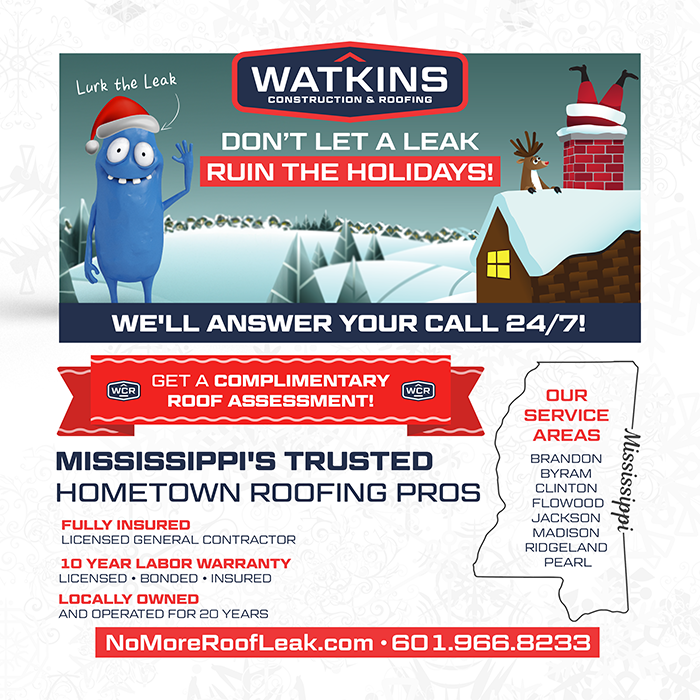
Effective magazine ads share a few common traits. They don’t try to accomplish too much at once. Instead, they focus on a single strong visual, a clear headline, and a direct call to action. Everything else supports those three elements.
One Strong Visual
Your image carries most of the weight in a magazine ad. Readers notice visuals before they read a single word, so the photo or illustration you choose sets the tone for everything that follows. A striking lifestyle shot or high-quality product photograph can stop someone mid-flip and pull them into your message.
The visual doesn’t have to be complicated. In fact, simpler images often perform better because they communicate quickly and clearly. What matters is that the image feels intentional and connects to what you’re trying to say.
Headline and Image Synergy
The best magazine ads create a conversation between the headline and the visual. Neither element tells the whole story on its own. Together, they spark curiosity or deliver a message that’s more memorable than either piece could achieve separately.
Think of the headline as a partner to the image, not a caption. If your visual shows a product, the headline doesn’t need to describe the product. It can add context, emotion, or a reason to care.
Strategic Use of White Space
Crowded layouts feel overwhelming and hard to process. White space, which refers to the empty areas around your text and images, gives the eye room to rest and draws attention to the elements that matter most.
You don’t have to fill every inch of the page. Leaving breathing room around your headline, image, and call to action actually makes each element more noticeable.
Clear Call to Action
Every ad benefits from telling readers what to do next. That might mean visiting a specific URL, scanning a QR code, or calling a dedicated phone number. A clear call to action turns passive interest into measurable response.
The call to action doesn’t have to be aggressive or salesy. A simple “Learn more at [URL]” or “Scan to see our full collection” gives readers a path forward without feeling pushy.
Tip: Use a unique URL, QR code, or phone number for each magazine placement. Tracking elements like these make it easier to measure which publications drive the most inquiries.


How to Choose the Right Magazine for Your Ad
Selecting the right publication matters as much as designing the ad itself. The wrong magazine wastes budget on readers who aren’t interested in what you offer. The right one puts your message in front of people who are already primed to care.
Define Your Target Market
Start by getting specific about who you want to reach. Demographics like age, income, and location matter, but so do interests, values, and professional roles. The clearer your picture of the ideal reader, the easier it becomes to match that person to a publication’s audience.
If you’re selling high-end kitchen appliances, a food and cooking magazine makes more sense than a general news weekly. If you’re promoting B2B software, a trade publication that serves your industry will deliver better results than a consumer lifestyle title.
Research Circulation and Readership Data
Most magazines publish media kits that include circulation numbers, reader demographics, and advertising rates. Review these documents carefully before committing to a placement.
A smaller publication with a highly engaged niche audience can outperform a larger title with broad but shallow reach. Pay attention to metrics like average time spent reading, subscription renewal rates, and reader income levels, not just total circulation.
Evaluate Editorial Fit
Your ad will appear alongside editorial content, so consider whether the magazine’s tone and subject matter align with your brand. An ad for luxury home furnishings fits naturally in an architecture or interior design publication. The same ad might feel out of place in a general interest magazine where readers aren’t thinking about home décor.
Editorial fit also affects credibility. When your ad appears in a context that makes sense, readers are more likely to view your brand as relevant and trustworthy.
Planning Your Magazine Ad Campaign
A successful campaign involves more than placing a single ad in a single issue. Thinking through timing, frequency, and coordination with other marketing efforts improves your results and helps you get more value from your investment.
Set Clear Objectives
Are you building brand awareness, launching a new product, or trying to drive direct response? Your objective shapes everything from format selection to how you’ll measure success.
Brand awareness campaigns often benefit from larger formats and premium placements. Direct response campaigns might prioritize frequency and trackable calls to action over visual impact.
Coordinate With Other Channels
Magazine ads work well as part of a broader marketing mix. You might reinforce your print message with digital retargeting, social media content, or direct mail pieces that echo the same visuals and messaging.
Consistent creative across channels strengthens recognition and helps your audience connect the dots between different touchpoints with your brand.
Plan for Lead Times
Print publications have longer lead times than digital channels. You’ll often submit final artwork six to eight weeks before the issue date, sometimes longer for major national titles.
Build this timeline into your planning so you’re not rushing creative development or missing deadlines. If you’re coordinating a magazine ad with a product launch or event, work backward from the publication date to make sure everything aligns.
How to Measure Magazine Ad Results
Tracking print advertising performance takes a bit more effort than checking a digital analytics dashboard, but it’s entirely possible with the right approach.
- Unique URLs or landing pages: Direct readers to a page created specifically for the campaign, then track visits to that page.
- QR codes: A scannable code links print to digital, and you can track how many people scan it.
- Dedicated phone numbers: A unique number lets you attribute incoming calls to the magazine placement.
- Promo codes: Offer a discount code exclusive to the magazine ad and track how many times it gets redeemed.
- Customer surveys: Ask new customers how they first heard about you.
Combining several of these methods gives you a clearer picture of which publications and formats deliver the best return on your investment.
Frequently Asked Questions
How much does it cost to place a magazine ad?
Rates vary widely based on the publication’s circulation, the ad size, and where the ad appears within the issue. A quarter-page ad in a regional magazine might cost a few hundred dollars, while a full-page ad in a national title can run into the tens of thousands. Request a media kit from any publication you’re considering to get specific pricing.
How do I know which magazine is right for my ad?
Start with your target audience. Look for publications whose readership demographics and interests overlap with your ideal customer. Review media kits, ask for sample issues, and consider running a small test before committing to a larger buy.
How do I measure the results of a magazine ad?
Use trackable elements like unique URLs, QR codes, dedicated phone numbers, or promo codes. You can also survey new customers to ask where they first learned about your brand. Combining several tracking methods helps you connect inquiries and sales back to specific placements.
What’s the difference between a magazine ad and an advertorial?
A standard magazine ad is a clearly promotional placement with a visual, headline, and call to action. An advertorial is a paid feature designed to resemble editorial content. It’s labeled as sponsored and allows for longer-form storytelling that educates readers rather than simply promoting a product.
Work With Churchill on Your Next Magazine Ad Campaign
Creating a magazine ad that stands out takes more than a good concept. It takes strong visuals, thoughtful design, and a clear understanding of who you’re trying to reach. At Churchill, we bring the same attention to detail to print advertising that we apply to video production, photography, and graphic design for clients like FedEx, Comcast, and Toyota.
Our team handles everything from concept development to final artwork, coordinating with your broader brand identity and marketing materials to keep your message consistent across channels.